
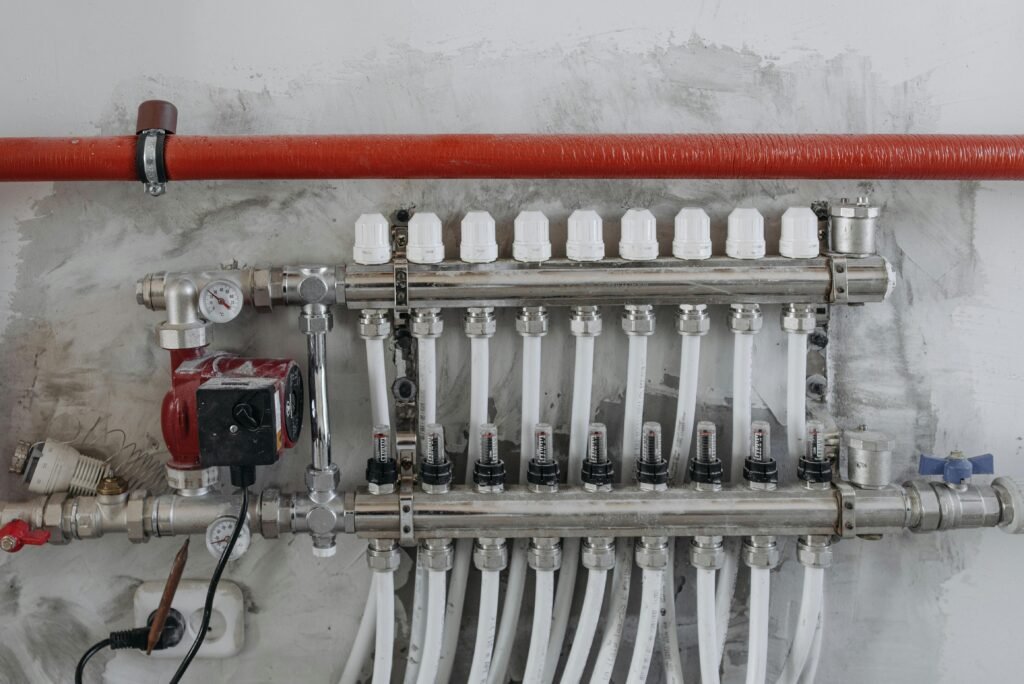
Water Heater Installation and Repair: A Complete Guide for Homeowners
Hot water is a daily necessity. It supports comfort, hygiene, and routine tasks. When it fails, life feels disrupted. Many homeowners ignore water heaters until problems appear. That delay often increases repair costs. Understanding the system helps you act early. This guide explains water heater installation and repair in detail. It will help you make informed decisions. It will also help you avoid costly mistakes.
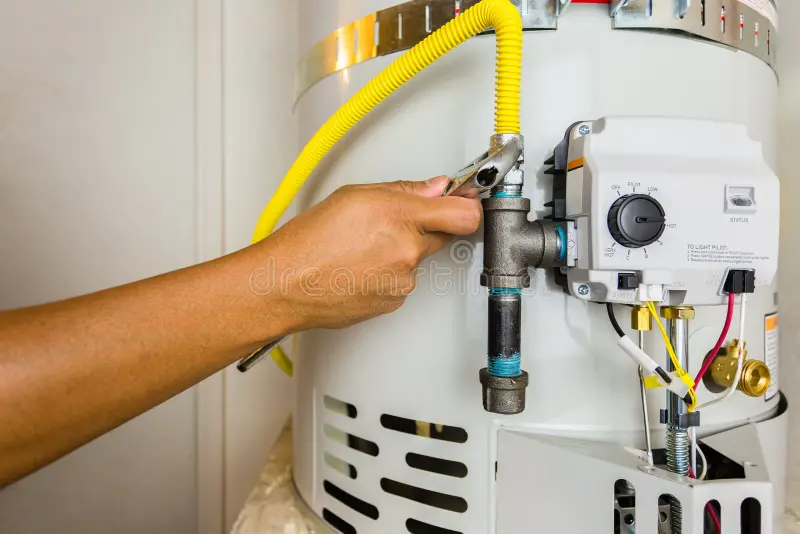
How a Water Heater Works Inside a Home
A water heater stores and heats water. The heated water is delivered to taps and appliances. Cold water refills the tank automatically. Most systems use electricity or gas. Heating elements or burners raise the temperature. Thermostats regulate heat levels. Pressure relief valves protect the tank. Dip tubes direct incoming water. Anode rods prevent internal corrosion. When one component fails, performance drops. Early signs often appear first. Ignoring them shortens system life.
Types of Water Heaters Used in Homes
Choosing the right type matters. Each option suits different needs. Understanding differences helps planning.
Tank Water Heaters
Tank heaters store hot water. They are common in many homes. Installation costs are lower. However, hot water can run out. Recovery time is required. Energy efficiency is moderate.
Tankless Water Heaters
Tankless units heat water on demand. They provide continuous hot water. Energy efficiency is higher. Installation costs are higher. Electrical or gas upgrades may be needed. Long term savings can balance costs.
Heat Pump Water Heaters
These systems use surrounding air heat. They consume less electricity. Efficiency is high. They need adequate space. Climate affects performance. Initial cost is higher.
Signs You Need Water Heater Repair
Water heaters rarely fail without warning.Signs appear gradually.Paying attention saves money.
Inconsistent Water Temperature
Water turning cold suddenly signals trouble.Heating elements may be failing. Sediment buildup also causes this issue.
Strange Noises
Popping or rumbling sounds indicate sediment. Sediment reduces efficiency. It also damages the tank.
Discolored Water
Rusty or cloudy water suggests corrosion. The anode rod may be worn. Delaying repair risks tank failure.
Water Leaks
Moisture near the unit is serious. Leaks worsen quickly. Immediate inspection is required.
Common Water Heater Repair Issues
Heating Element Failure
Electric units rely on heating elements. Over time, they burn out. Replacement restores performance.
Thermostat Malfunction
Faulty thermostats cause overheating or cold water.
Calibration or replacement solves this issue. Ignoring it increases energy use.
Sediment Buildup
Minerals settle at the tank bottom. This reduces heating efficiency. Flushing removes buildup.
Pressure Valve Issues
Pressure relief valves prevent explosions. A faulty valve is dangerous. Immediate replacement is essential.
When Repair Is No Longer the Smart Choice
Not every unit should be repaired.
Age plays a major role in the decision.
Cost comparison always matters.
Most tank heaters last eight to twelve years.
Tankless units usually last longer.
Frequent repairs often signal decline.
When repair costs exceed half the unit price, replacement becomes the wiser option.
Energy Efficiency and Long Term Savings
Energy efficiency upgrades often justify replacement.
Newer models use less power.
Monthly utility bills decrease over time.
Safety and Property Protection
Safety concerns should never be ignored.
Older units carry higher leak risks.
Water damage can destroy walls and flooring.
Replacing aging equipment protects your property and reduces future emergencies.
- Units over eight years often decline
- Repeated repairs increase long term costs
- New models lower energy usage
- Replacement reduces leak risks
- Property damage prevention matters
Water Heater Installation Process
Proper installation ensures safety and efficiency. It is never a simple swap. Professional planning always matters.
System Assessment
The existing system is evaluated. Capacity needs are calculated. Energy source compatibility is checked.
Unit Selection
The right size is chosen. Household demand is considered. Future usage is planned carefully.
Safe Installation
The existing system is evaluated. Capacity needs are calculated. Energy source compatibility is checked.
System Assessment
The existing system is evaluated. Capacity needs are calculated. Energy source compatibility is checked.