
Complete Plumbing Guide for Homeowners: Common Problems, Repairs & Solutions
Plumbing plays a silent role in daily life. Water flows when needed. Waste leaves without notice. Most people only think about plumbing when something fails. A leak. A clog. No hot water.
Understanding plumbing basics helps you act early. Early action prevents damage. It also saves money.
This guide explains plumbing clearly. You will learn how systems work. You will also learn when professional help matters.
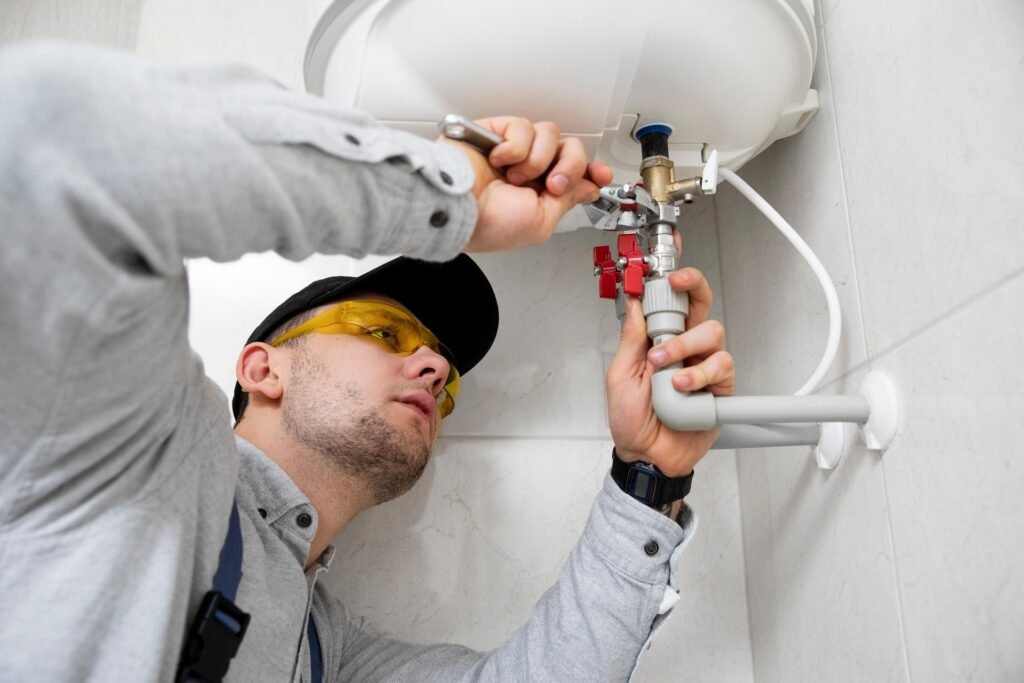
Every home plumbing system has two main parts. One brings clean water in.
The other removes waste. Supply lines carry water to fixtures. Drain lines take wastewater away. Both systems rely on pressure and gravity. Valves control water flow. Traps block sewer gases. Vents balance air pressure. When one part fails, the system struggles.
Small issues spread fast. Awareness helps prevent that.
Common Plumbing Problems Homeowners Face
Plumbing issues usually start quietly. They grow when ignored. Here are the most common problems.
- Leaking Pipes
- Clogged Drains
- Low Water Pressure
- Water Heater Problems
Why Plumbing Maintenance Matters
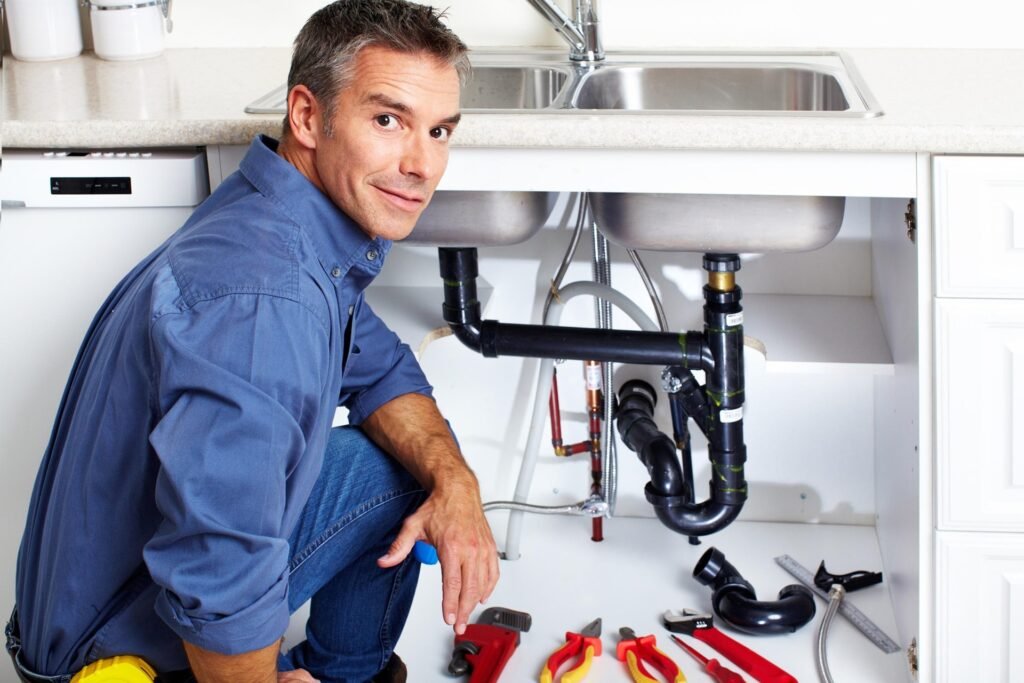
Maintenance protects your home. It reduces emergency repairs. It also extends system life. Routine inspections catch issues early. Small repairs cost less. Planning beats panic.
Maintenance improves water efficiency. That lowers utility bills. It also supports sustainability.
Ignoring maintenance leads to emergencies. Emergencies cost more. They also disrupt daily life.
Signs You Should Call a Professional
Some plumbing signs require immediate action. Waiting increases damage. These signs include:
- Water stains on walls
- Mold or damp smells
- Sudden pressure drops
- Repeated drain clogs
- Rising water bills
These signals indicate deeper issues. Temporary fixes will not help. Professional inspection matters.
Residential vs Commercial Plumbing Needs
Homes and businesses use plumbing differently. Homes focus on comfort. Businesses need reliability. Commercial systems handle heavier use. They require stronger materials. Compliance matters more. Residential plumbing prioritizes safety. Quiet operation also matters. Both require proper planning. Choosing the right service depends on use. Experience matters here. Not all systems are equal.
How Water Quality Affects Plumbing
Water quality impacts pipe health. Hard water leaves mineral deposits. These deposits restrict flow. Minerals shorten fixture lifespan. They also damage heaters. Filtration improves system performance. Softened water reduces buildup. It protects appliances. Long term savings increase. Testing water quality helps planning. Solutions vary by area.Local knowledge helps.
Preventive Plumbing Habits for Homeowners
Simple habits protect plumbing. They reduce repair needs.
Consistency matters.
Avoid pouring grease into drains.
Use strainers in sinks.
Flush drains with hot water.
Check visible pipes monthly.
Listen for unusual sounds.
Monitor water bills.
Quick action always limits damage and preparation saves time.
The Cost of Delaying Plumbing Repairs
Delays increase repair costs. Water damage spreads quickly. Structures weaken over time. Mold removal is expensive. Floor repairs cost more than pipe fixes. Insurance may not cover neglect. Early repairs cost less. They also reduce stress.
Action protects property value.
Choosing the Right Plumbing Service
Price alone should not guide choice. Experience and communication matter more. Trust builds long term value. Ask about inspection methods. Ask about material quality. Ask about long term impact. Clear answers show professionalism. Pressure tactics signal risk. Choose transparency. Reviews reveal patterns. Consistent feedback matters. Trust your judgment.
Modern Plumbing Tools and Technology
Modern tools improve accuracy. They reduce guesswork. Results improve. Camera inspections locate blockages. Pressure testing reveals leaks. Advanced tools save time. Technology supports precision. It also reduces invasive repairs. Less damage means less cost. Skilled hands still matter. Tools support experience. Both work together.
Plumbing Safety Inside the Home
Plumbing affects health. Clean water is essential. Safe drainage protects air quality. Leaks create mold risks. Gas lines require caution. Incorrect repairs cause hazards. Professional work follows standards. Safety checks prevent accidents. Compliance matters. Never ignore warning signs. Safety always comes first. Shortcuts are dangerous.
Final Thoughts for Homeowners
Plumbing supports daily comfort. It deserves attention and care. Knowledge empowers smart decisions. Understanding basics prevents mistakes. Early action saves money. Maintenance reduces emergencies. When problems arise, act quickly. Choose experience over speed. Protect your home with informed choices.